Polyaspartic coatings are revolutionizing the commercial and industrial flooring industry with their rapid curing times, exceptional durability, and versatility. As a next-generation floor coating technology, polyaspartic coatings offer significant advantages over traditional epoxy and polyurethane systems, making them ideal for facilities requiring minimal downtime and long-lasting protection.
What Are Polyaspartic Coatings?
Polyaspartic coatings are a type of aliphatic polyurea, chemically formulated to cure quickly while providing a tough, flexible, and UV-stable finish. Unlike epoxy coatings, which can take days to fully cure, polyaspartic coatings often cure to a walkable surface within hours, allowing businesses to resume operations rapidly.
These coatings bond strongly to concrete substrates and offer excellent resistance to abrasion, chemicals, and temperature fluctuations. Their ability to be applied in varying thicknesses and finishes makes them a versatile solution for many commercial and industrial flooring needs.
Key Advantages of Polyaspartic Coatings
1. Fast Curing Time
One of the most compelling benefits of polyaspartic coatings is their rapid cure. Facilities benefit from reduced downtime, sometimes completing entire floor projects in a single day. This makes polyaspartic coatings perfect for warehouses, manufacturing plants, and retail spaces where operational continuity is critical.
2. UV Stability
Unlike epoxy, polyaspartic coatings resist yellowing and degradation caused by UV exposure. This property makes them ideal for areas with natural light or outdoor environments where appearance and longevity are paramount.
3. Superior Durability and Chemical Resistance
Polyaspartic coatings offer excellent abrasion resistance and withstand spills of harsh chemicals, oils, and solvents commonly encountered in industrial settings. This durability helps maintain floor integrity and reduces maintenance costs over time.
4. Flexibility and Crack Resistance
These coatings are more flexible than epoxy, allowing them to accommodate slight concrete movement or substrate flex without cracking or delaminating. This flexibility contributes to the overall lifespan of the flooring system.
5. Wide Range of Finishes and Colors
Polyaspartic coatings can be customized with a variety of textures, colors, and gloss levels. This allows businesses to match branding, designate safety zones, or create decorative flooring without sacrificing performance.
Typical Applications for Polyaspartic Coatings – Manufacturing and assembly facilities needing durable, chemical-resistant floors
- Warehouses requiring fast turnaround to minimize downtime
- Commercial garages and vehicle maintenance bays
- Retail stores seeking attractive, long-lasting floor finishes
- Food processing plants with strict hygiene and durability demands
Installation Process
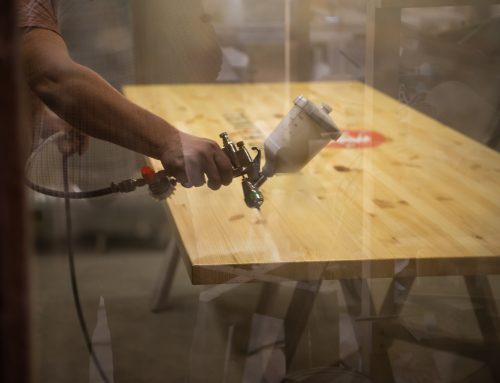
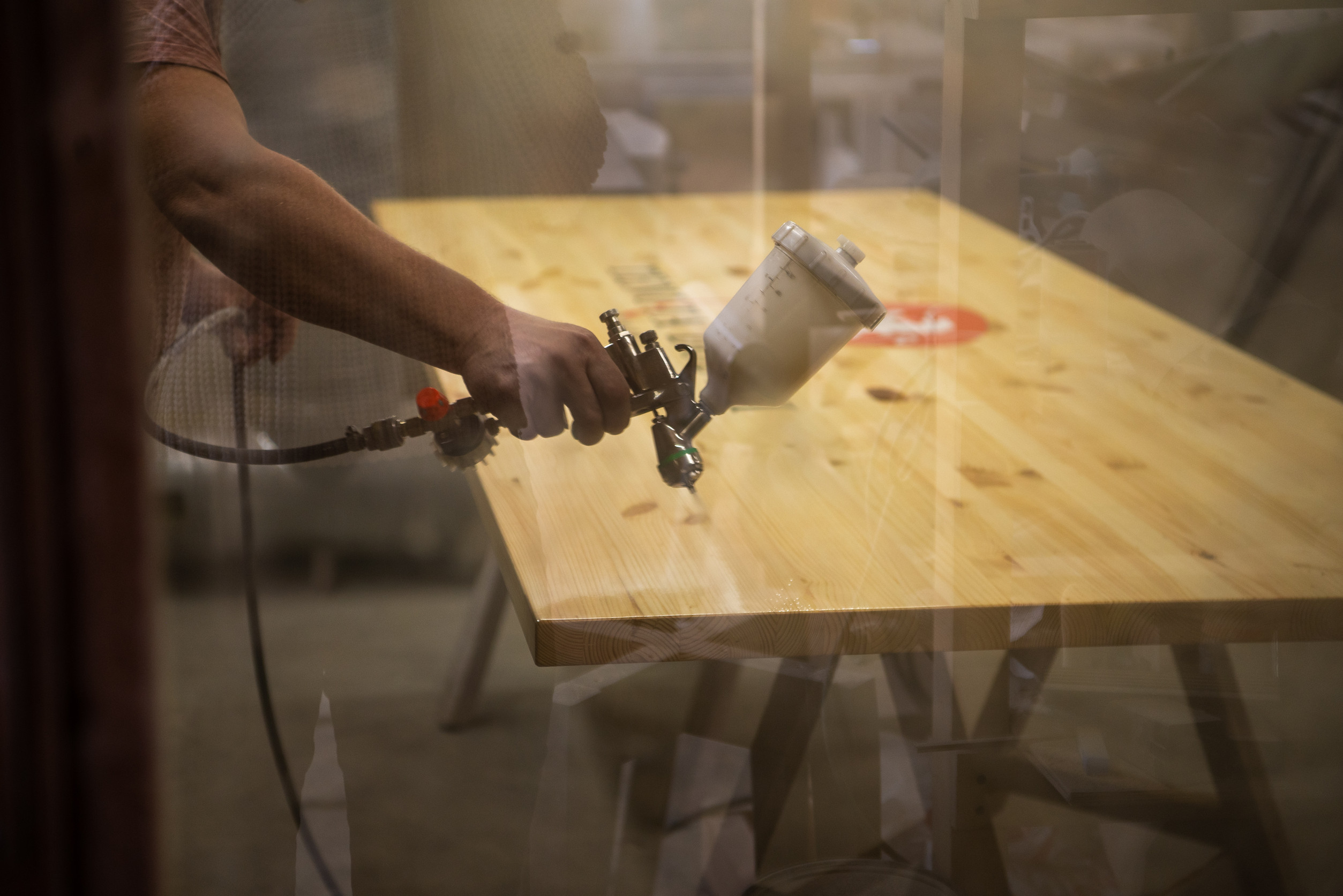
Installing polyaspartic coatings involves thorough substrate preparation, including cleaning and surface profiling to ensure adhesion. The coatings are then applied using specialized spray equipment or rollers, depending on the desired texture and thickness. Because of their quick cure times, polyaspartic coatings require precise application techniques to ensure uniform coverage and finish. Professional installation ensures optimal performance and longevity.
Maintenance and Longevity
Maintaining polyaspartic-coated floors is straightforward. Routine cleaning with mild detergents preserves the surface finish and slip resistance. Given their durability, polyaspartic coatings typically require fewer repairs or recoats compared to other floor systems.
For fast-curing, durable, and visually appealing flooring solutions, polyaspartic coatings are an outstanding choice. Protect your commercial or industrial floors with expert application from trusted professionals. Contact Creative Coatings to learn more about how polyaspartic coatings can benefit your facility. Just Call Bryan at (970) 344-5023.